If you’re seeking the optimal ERP software in Malaysia, navigating the landscape of options can be overwhelming. From industry giants to niche providers, the market offers a range of solutions tailored to diverse business needs. However, selecting the right ERP system requires a nuanced understanding of your organization’s unique requirements, budget constraints, and long-term goals malaysia e-invoicing. In a competitive market like Malaysia, the choice of ERP software can significantly impact your operational efficiency and strategic decision-making. So, how do you navigate this complex terrain and zero in on the best ERP solution for your Malaysian business?

SAP Business One
When considering ERP solutions in Malaysia, SAP Business One stands out as a comprehensive and efficient option for businesses of varying sizes and industries. This software offers a wide range of functionalities, including financial management, sales, customer relationship management, inventory, and reporting. Its user-friendly interface makes it easy for employees to adapt to the system quickly, reducing the need for extensive training. Additionally, SAP Business One provides real-time insights into business operations, enabling informed decision-making.
One of the key advantages of SAP Business One is its scalability https://aspert.com.my/e-invoice/. Whether you’re a small startup or a large corporation, this ERP solution can be tailored to meet your specific needs and grow with your business. Integration with other systems is seamless, allowing for a more streamlined workflow. Furthermore, SAP Business One offers robust security features to protect your sensitive data.
Oracle NetSuite
Oracle NetSuite offers a comprehensive suite of cloud-based ERP solutions suitable for businesses across various industries in Malaysia. This software provides modules for financial management, inventory management, order management, CRM, and e-commerce, all integrated into one platform. With NetSuite, you can streamline your business operations, improve efficiency, and make data-driven decisions.
One of the key strengths of Oracle NetSuite is its scalability. Whether you run a small startup or a large enterprise, NetSuite can adapt to your business needs and grow with you. The cloud-based nature of the software also ensures that you have access to real-time data anytime, anywhere, as long as you have an internet connection.
Moreover, NetSuite offers robust reporting and analytics capabilities, allowing you to gain insights into your business performance and trends. The software is known for its user-friendly interface and ease of customization, making it a popular choice among businesses looking for a flexible ERP solution.
Microsoft Dynamics 365
When considering Microsoft Dynamics 365 for your ERP needs in Malaysia, key features and the implementation process are crucial aspects to contemplate. Understanding the functionalities that align with your business requirements and how the software will be integrated into your existing systems can significantly impact the success of your ERP implementation.
Microsoft Dynamics 365 offers a range of features and a structured implementation process that can streamline your business operations effectively.
Key Features
Microsoft Dynamics 365 offers a comprehensive suite of key features that streamline business processes and enhance efficiency. With its robust capabilities, Dynamics 365 provides seamless integration across various departments, allowing for real-time data access and collaboration.
Its flexible cloud-based system enables you to access information from anywhere, promoting remote work and increasing productivity. The software’s advanced analytics tools help you make data-driven decisions, while its customizable dashboards provide a clear overview of your business operations.
Dynamics 365 also offers automation features that reduce manual tasks, saving you time and resources. Overall, Microsoft Dynamics 365 equips your business with the tools needed to optimize processes and drive growth.
Implementation Process
Efficiently implementing Microsoft Dynamics 365 involves a meticulous planning process to ensure successful integration across your business operations.
Begin by identifying key stakeholders who’ll champion the ERP system within your organization.
Conduct a thorough analysis of your current processes to streamline workflows before customization.
Utilize the expertise of Microsoft Dynamics 365 consultants to configure the system according to your specific business needs.
Develop a comprehensive training program for employees to maximize system utilization and minimize resistance to change.
Implement the ERP system in phases to manage potential risks and ensure a smooth transition.
Regularly monitor and evaluate the system post-implementation to address any issues promptly and optimize its performance for long-term success.
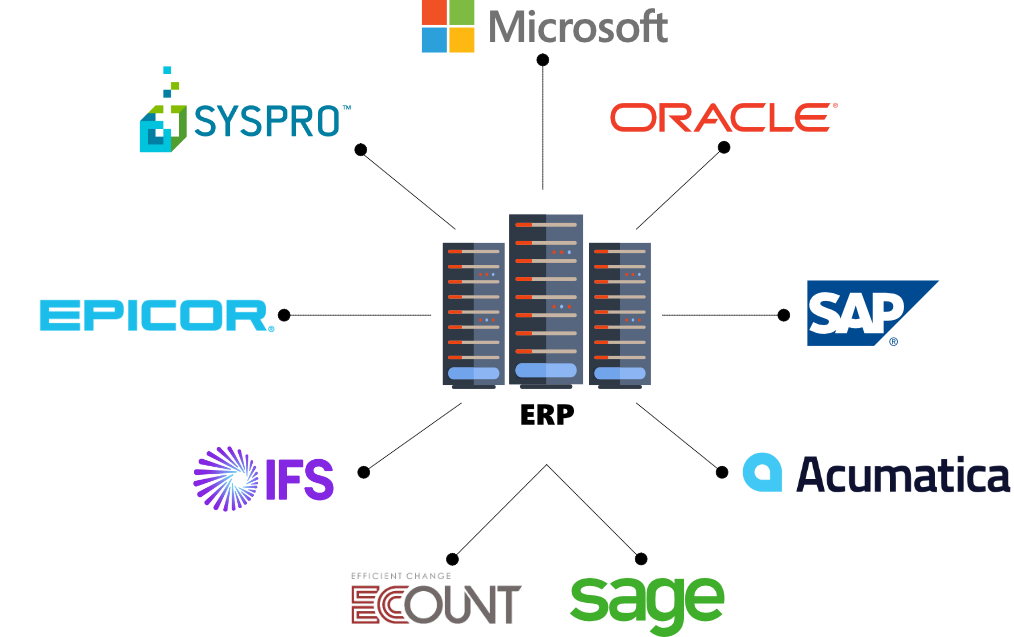
Epicor ERP
Epicor ERP offers a comprehensive solution for businesses in Malaysia seeking advanced enterprise resource planning capabilities. With its robust features, Epicor ERP caters to various industries, including manufacturing, distribution, retail, and services. The software provides modules for financial management, supply chain management, production management, and customer relationship management, enabling organizations to streamline their operations effectively.
One key strength of Epicor ERP is its scalability, allowing businesses of all sizes to customize the system according to their specific needs. Whether you’re a small startup or a large enterprise, Epicor ERP can adapt to your requirements as your business grows. Additionally, the software’s user-friendly interface and intuitive design make it easy for employees to navigate and utilize its functionalities efficiently.
Moreover, Epicor ERP offers real-time insights and analytics, empowering decision-makers with valuable data to drive business growth. By leveraging the power of Epicor ERP, Malaysian businesses can enhance productivity, optimize processes, and stay competitive in today’s dynamic market landscape.
Sage 300
Sage 300 offers a robust set of features that cater to various business needs, ensuring efficient operations.
Its implementation process is known for being smooth and well-structured, minimizing disruptions to your workflow.
Users often praise Sage 300 for its intuitive user interface that enhances overall user experience and productivity.
Sage 300 Features
Among the notable features of the Sage 300 software are its robust financial management tools and customizable reporting capabilities. This ERP system offers a comprehensive suite of financial modules, including general ledger, accounts payable, accounts receivable, and cash management.
With Sage 300, you have the freedom to tailor reports to meet your specific business needs, allowing you to analyze data efficiently and make informed decisions. The software also provides multi-currency and multi-language support, making it suitable for businesses operating globally.
Additionally, Sage 300 offers integration with other business applications, enhancing overall productivity and streamlining processes. Overall, Sage 300 equips you with the tools necessary to manage your finances effectively and drive business growth.
Implementation Process
The implementation process for Sage 300 involves a structured approach to configuring the software according to your business requirements and ensuring a smooth transition to the new system.
Initially, a detailed assessment of your current processes is conducted to identify areas where Sage 300 can streamline operations.
Next, a tailored implementation plan is devised, outlining key milestones and timelines. Your team will undergo training to familiarize themselves with the software, ensuring a successful adoption.
Data migration is carefully managed to prevent any disruptions to your business operations.
Throughout the implementation, regular communication and support are provided to address any issues promptly.
User Interface Experience
To enhance your user experience with Sage 300, the interface design focuses on intuitive navigation and streamlined functionality. The dashboard offers a customizable layout, allowing you to prioritize key metrics and access frequently used features quickly.
With a clean and modern design, the interface is visually appealing and easy to navigate, reducing the learning curve for new users. Sage 300’s user-friendly approach extends to its responsive design, ensuring a seamless experience across devices.
The software also provides interactive data visualization tools, empowering you to make informed decisions efficiently. Overall, Sage 300’s user interface prioritizes simplicity and efficiency, enhancing your overall ERP software experience.
Infor CloudSuite
Infor CloudSuite offers a comprehensive and adaptable ERP solution for businesses in Malaysia. This cloud-based software integrates various functionalities such as finance, HR, supply chain, and more into a unified platform. The flexibility of CloudSuite allows you to customize the system to fit your specific business needs, ensuring a tailored solution that enhances efficiency and productivity.
One of the key benefits of Infor CloudSuite is its scalability, enabling your business to easily adjust and expand as requirements evolve. The software’s advanced analytics provide valuable insights that help in making informed decisions and improving overall performance. Additionally, CloudSuite’s user-friendly interface and intuitive design make it easy for employees at all levels to navigate the system with minimal training.
With industry-specific solutions available, such as CloudSuite Automotive and CloudSuite Fashion, businesses in Malaysia can leverage specialized tools to address unique challenges. Infor CloudSuite stands out for its ability to streamline operations, drive innovation, and empower organizations to succeed in a competitive market.
Ramco ERP
When considering ERP solutions for your business in Malaysia, Ramco ERP stands out as a comprehensive and innovative software option. Ramco ERP offers a wide range of modules that cover various aspects of business operations, including finance, HR, supply chain management, and manufacturing. One of the key strengths of Ramco ERP is its ability to streamline processes and improve efficiency through automation and integration. The software provides real-time insights into your business performance, enabling you to make data-driven decisions quickly.
Ramco ERP is known for its user-friendly interface and customizable features, allowing you to tailor the software to meet your specific business needs. The system is cloud-based, offering flexibility and scalability as your business grows. Additionally, Ramco ERP provides mobile access, allowing you to manage your business on the go.
Deskera ERP
Deskera ERP stands out as a robust and integrated software solution for businesses in Malaysia, offering a comprehensive suite of modules designed to streamline operations and enhance efficiency. This ERP system provides modules for various functions such as finance, inventory management, human resources, customer relationship management, and more.
One of the key strengths of Deskera ERP lies in its user-friendly interface, making it easy for employees at all levels to adapt quickly to the system. The software’s scalability allows it to cater to the needs of small and medium-sized enterprises as well as larger corporations, providing flexibility as businesses grow.
Deskera ERP also offers features like real-time data analytics, which can help companies make informed decisions based on up-to-date information. Additionally, the system is cloud-based, ensuring accessibility from anywhere with an internet connection, promoting remote work capabilities.
Conclusion
In conclusion, when it comes to choosing the best ERP software in Malaysia, SAP Business One emerges as a top contender.
Its robust functionalities, user-friendly interface, real-time insights, and scalability make it a reliable solution for businesses of all sizes.
With seamless integration and advanced security measures, SAP Business One streamlines operations and drives efficiency, ensuring informed decision-making for Malaysian businesses looking to enhance their productivity and competitiveness in the market.…
Read More







:max_bytes(150000):strip_icc()/bitcoin-5bfc323e46e0fb00511ae739.jpg)